Understanding Stationary Emergency Showers
In industrial environments, ensuring employee safety is paramount. One critical component of workplace safety is the installation of stationäre Notdusche für Unternehmen, which are specifically designed to provide immediate decontamination in case of hazardous chemical exposure. These emergency showers, often accompanied by eyewash stations, serve as vital first-aid tools that can significantly mitigate injuries in the event of accidents. This article will explore the various aspects of stationary emergency showers, focusing on their importance, regulations, installation, and maintenance, while helping you select the right model for your facility.
What is a Stationary Emergency Shower?
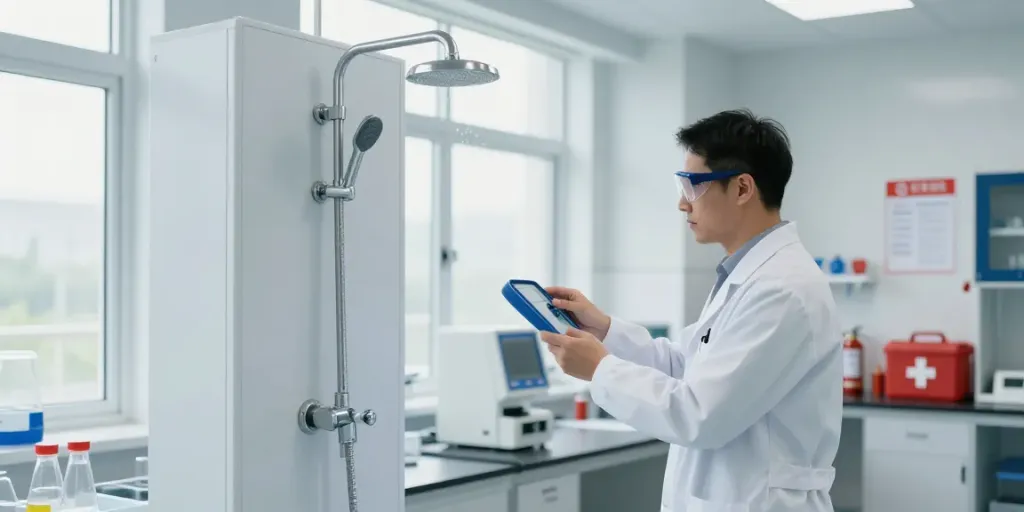
A stationary emergency shower is a fixed safety device that is installed in workplaces where hazardous materials are handled. Its primary function is to provide immediate body or ocular irrigation to individuals who may have been exposed to harmful substances, such as corrosive chemicals or toxic agents. These showers are strategically placed to ensure maximum accessibility in emergencies, allowing workers to quickly wash off contaminants.
Key Features and Specifications
Stationary emergency showers come equipped with several essential features aimed at enhancing their effectiveness:
- Flow Rate: Emergency showers should deliver a minimum flow rate of 20 gallons per minute (GPM) to flush contaminants effectively.
- Activation Mechanism: Showers may feature a pull handle, foot pedal, or push plate to ensure they can be activated quickly and easily.
- Temperature Control: Maintaining suitable water temperatures is essential, especially in extreme climates. Showers may include heating or cooling systems to regulate water temperature.
- Visibility: Showers should be clearly marked and easily identifiable, with prominent signage indicating their location.
Importance in Workplace Safety
The significance of stationary emergency showers in a workplace cannot be overstated. They are a vital part of an effective emergency response plan, especially in industries such as manufacturing, laboratories, and chemical processing where the potential for accidents is higher. Their presence not only complies with safety regulations but also fosters a culture of safety among employees. When workers know that they have immediate access to emergency showers, they are often more confident in their ability to handle hazardous materials safely.
Compliance and Regulations
Industry Standards for Emergency Showers
Compliance with industry standards and regulations is critical for the safe and effective operation of emergency showers. In Europe, compliance with EN 15154 standards ensures that emergency showers are designed for the safety of individuals exposed to hazardous substances. Similarly, ANSI Z358.1 is the American standard, detailing installation, performance, and maintenance requirements for emergency showers in the United States. Adhering to these standards is not just a legal requirement but also a moral obligation to protect employees.
Local vs. International Compliance Regulations
While there are international standards for emergency showers, local regulations may introduce additional requirements. It’s essential for organizations to familiarize themselves with both sets of regulations to ensure comprehensive compliance. Local regulations might also dictate installation locations, maintenance schedules, and the types of equipment required based on the specific hazards present in a facility.
How to Ensure Your Installation Meets Requirements
To guarantee that your installation meets both local and international standards, consider the following steps:
- Conduct a hazard assessment to identify the specific risks within your workplace.
- Consult with a qualified safety professional to select appropriate emergency shower models.
- Ensure that the installation process follows the manufacturer's guidelines and complies with relevant safety standards.
- Establish a regular inspection and maintenance schedule to ensure that the emergency showers remain functional and compliant.
Installation and Maintenance Considerations
Steps for Installing an Emergency Shower
The installation of a stationary emergency shower requires careful planning. Key steps include:
- Site Selection: Choose a location that is easily accessible and visible to employees.
- Water Supply: Ensure that the shower has a reliable water supply that meets flow rate requirements.
- Drainage: Proper drainage is crucial to avoid pooling of contaminated water.
- Signage: Install clear signage to guide employees to the emergency shower in case of an emergency.
Regular Maintenance for Optimal Functionality
Routine maintenance is crucial for the operability of emergency showers. This includes:
- Conducting regular inspections to check for any physical damage or obstructions.
- Testing the activation mechanism at least once a month to ensure functionality.
- Flushing the system periodically to remove sediment and ensure clean water flow.
Common Challenges and Solutions
While designing and installing emergency showers, various challenges may arise:
- Accessibility: If the shower is not easily accessible, it may not be effectively used in an emergency. This can be mitigated by conducting thorough site assessments.
- Temperature Control: In extreme temperatures, maintaining suitable water temperature can be difficult. Employing climate control features can help manage this issue.
- Compliance Issues: Staying updated on local regulations can be challenging. Regular training and audits can help ensure ongoing compliance.
Choosing the Right Emergency Shower for Your Facility
Factors to Consider When Selecting a Model
When selecting a stationary emergency shower, several key factors should guide your decision:
- Type of Hazards: Identify the specific chemicals or hazards present in your workplace to choose a model that can effectively mitigate these risks.
- Installation Space: Assess the available space to ensure that the chosen model fits properly and can be easily accessed.
- Additional Features: Consider optional features such as acoustic alarms, lights, and drain pans that enhance usability and safety.
Personalized Installations for Specific Needs
Some facilities may require customized solutions to meet specific needs. Consulting with manufacturers or suppliers can provide insights into available options for tailored installations. This personalization can involve special features to accommodate unique work environments or specific compliance requirements.
Comparing Leading Brands and Models
Before finalizing your choice, compare different brands and models. Look for reputable manufacturers that provide certifications and compliance documentation. Reading customer feedback and expert reviews can also guide your decision process.
Future Trends in Emergency Safety Equipment
Emerging Technologies and Innovations
As safety technologies evolve, so do emergency showers. Innovations such as smart emergency showers with sensors that alert maintenance when service is needed or showers equipped with real-time monitoring systems are gaining traction. Embracing these technologies can enhance workplace safety by ensuring that equipment is always ready for use.
Predictions for Compliance Changes in 2026
As workplace safety standards progress, organizations must remain vigilant about changes in regulatory requirements. It is predicted that by 2026, more stringent regulations regarding the testing and maintenance of emergency showers will be implemented, making ongoing education and training even more crucial for safety personnel.
How to Stay Ahead in Workplace Safety
To maintain compliance and ensure safety, businesses should adopt proactive strategies. This includes continuous training for employees, regular audits of safety equipment, and staying informed about industry developments. Investing in high-quality safety equipment and embracing new technologies will position organizations at the forefront of workplace safety.
Frequently Asked Questions
What regulations exist for emergency showers?
Regulations for emergency showers typically include compliance with ANSI Z358.1 in the U.S. and EN 15154 in Europe, along with local health and safety regulations that may vary by region.
Are eye wash stations required in all labs?
Yes, eyewash stations are generally required in laboratories that handle hazardous materials, providing immediate washing capabilities for contaminated eyes.
How often should emergency showers be inspected?
Emergency showers should be inspected at least monthly to ensure functionality, with a more thorough annual maintenance check recommended.
What are the benefits of customized emergency showers?
Customized emergency showers cater to the specific needs of your facility, ensuring that they meet unique compliance requirements, fit the available space, and address the specific risks present.
How do I request a quote for an emergency shower?
To request a quote, contact the manufacturer or supplier directly through their website or customer service, providing details about your specific needs and requirements.