
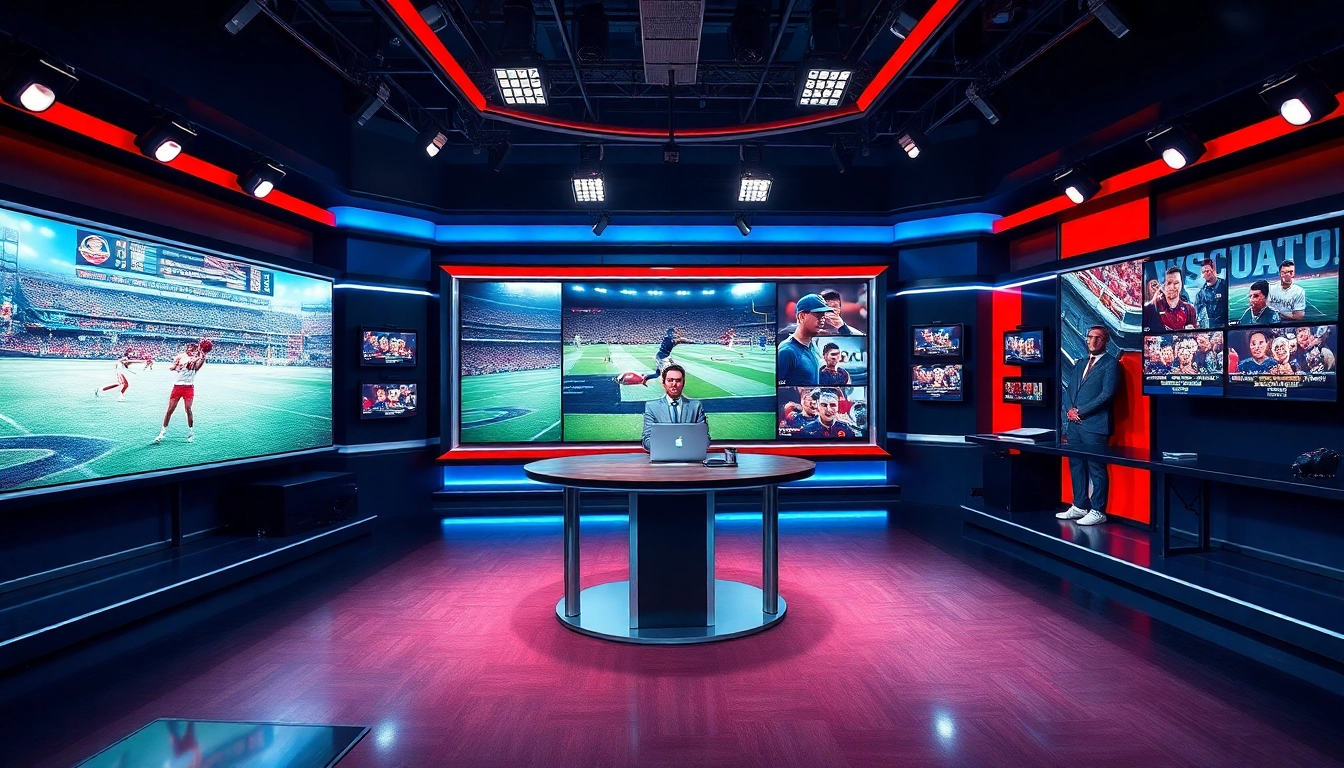
The Fundamentals of Sports Broadcasting
Understanding the Basics of Sports Broadcasting
Sports broadcasting serves as the eyes and ears of sports fans, providing live coverage and analysis of various sporting events. It's the art of delivering sports content through various media, including television, radio, and online platforms. The significance of this field lies in its ability to connect millions of viewers and listeners with their favorite sports, teams, and athletes. Knowing the ins and outs of Sports Broadcasting is essential for anyone looking to make an impact in this vibrant industry.
The Role of Technology in Sports Broadcasting
Technology is a pivotal component in sports broadcasting, dramatically enhancing production quality and viewer experience. Modern broadcast facilities utilize advanced equipment such as High Definition (HD) cameras, drones for aerial shots, and augmented reality (AR) graphics to deliver captivating images and statistics. Furthermore, sophisticated editing software allows real-time highlights, graphics, and instant replays that keep viewers engaged and informed during the event.
The Impact of Audience Engagement in Sports Broadcasting
Engagement is crucial in sports broadcasting; interacting with your audience fosters a loyal viewer base. Platforms like social media enable broadcasters to communicate directly with fans, increasing attendance and viewership. Real-time polls, live commentaries, and Q&A sessions enrich the viewer experience, creating a sense of community around the broadcast. Enhanced engagement strategies also include gamification elements, allowing fans to score points and win prizes during the shows.
Building a Sports Broadcasting Career
Essential Skills for Aspiring Sports Broadcasters
To thrive in sports broadcasting, one must master a unique combination of skills. Firstly, excellent communication skills are imperative for conveying information clearly and engagingly. Storytelling abilities are vital, allowing broadcasters to narrate events in a way that resonates with audiences. Additionally, technical skills are needed to operate broadcasting equipment and understand production processes. Lastly, quick thinking is essential for reacting promptly during live events.
Networking Strategies in the Sports Broadcasting Arena
Building a strong network is crucial for anyone looking to succeed in sports broadcasting. Attend industry events, such as conferences and expos, to connect with key players in the field. Engaging with professionals on platforms like LinkedIn can also open doors to opportunities. Furthermore, participating in internships or volunteer work provides hands-on experience and introduces you to influential contacts who can guide you in your career journey.
Creating an Impressive Sports Broadcasting Portfolio
An impressive portfolio sets you apart in a competitive job market. Start by compiling samples of your work, such as video clips of broadcasts, written articles about sports events, and recordings of interviews you’ve conducted. It's essential to present your best work and ensure each piece showcases your style and skills. Consider creating a personal website to host your portfolio, which allows potential employers to access your work easily.
Content Creation in Sports Broadcasting
Developing Compelling Storylines in Sports Broadcasting
Grounded in storytelling, successful sports broadcasts captivate audiences with engaging narratives. This could involve digging deep into athlete backgrounds, highlighting underdog teams, or providing historical context for events. Creating emotional connections by focusing on the human aspects of sports can significantly elevate the viewer experience. Always strive to explore fresh angles that can resonate with the audience, leading to a more enriching broadcasting experience.
Utilizing Social Media for Sports Broadcasting Success
Social media platforms are vital for promoting sports broadcasts. Leveraging platforms such as Twitter, Instagram, and Facebook enhances reach and engages fans. Creating dedicated hashtags for events encourages audience interaction and participation. Additionally, sharing behind-the-scenes content can humanize broadcasters and build relationships with viewers. Engaging with fans through questions and polls during the broadcast can create an interactive and communal atmosphere.
Importance of Authenticity in Sports Broadcasting
Authenticity is a crucial component of building trust and credibility in sports broadcasting. Viewers are more likely to connect with broadcasters who show genuine passion and understanding for the sports they cover. This trustworthiness can be bolstered by responsible reporting and maintaining unbiased perspectives during broadcasts. Moreover, authenticity also involves being open about your struggles and triumphs within the industry, making you more relatable to your audience.
Challenges in Sports Broadcasting
Navigating Technical Difficulties in Live Sports Broadcasting
Live sports broadcasting can pose several technical challenges, ranging from equipment failures to power outages. Preparing for these situations involves having contingency plans and backup equipment readily available. Regular training for crew members on quick problem-solving techniques can also mitigate the impact of unexpected glitches. Building a competent and adaptable team strengthens your overall broadcast quality even under pressure.
Addressing Audience Expectations in Sports Broadcasting
Understanding and meeting audience expectations can be challenging in sports broadcasting. With the increase in competition, viewers have specific demands regarding content quality, delivery speed, and interactivity. Maintaining communication with viewers through feedback forms or social media channels helps broadcasters understand audience preferences. Adapting to these insights allows for continuous improvement and ensures that broadcasts remain relevant and engaging.
Handling Crisis Communication in Sports Broadcasting
Crisis communication is a vital skill in sports broadcasting, particularly during controversies or unexpected incidents. Preparation is key; broadcasters must have a robust crisis communication plan in place to offer timely and accurate information. Transparency, empathy, and rapid response can help defuse tensions and maintain audience trust. Training your staff in crisis communication techniques can turn challenges into opportunities for creating an even stronger bond with your audience.
The Future of Sports Broadcasting
Trends Shaping the Future of Sports Broadcasting
The landscape of sports broadcasting is evolving rapidly, influenced by trends such as on-demand content and advanced analytics. Viewers are gravitating towards personalized experiences where they can select what, when, and how they watch sports. Embracing innovations such as virtual and augmented reality can provide immersive experiences that traditional broadcasts cannot replicate. As technology continues to advance, staying updated with emerging trends can position broadcasters favorably for future opportunities.
The Rise of Streaming Services in Sports Broadcasting
Streaming services are revolutionizing sports broadcasting by offering flexible viewing options and extensive content libraries. Consumers now favor these platforms' convenience and accessibility over traditional cable subscriptions. Broadcasters must adapt their strategies accordingly, possibly partnering with streaming platforms to widen their reach. Moreover, exclusive content or behind-the-scenes access on streaming platforms can attract a larger audience and encourage subscriptions.
Integrating Virtual Reality into Sports Broadcasting Experiences
Virtual reality (VR) is set to redefine how audiences experience sports broadcasts. By immersing viewers in the action, VR technology can simulate being at a live event. These experiences can take various forms, from virtual stadium tours to simulation of key moments in the game. As VR technology becomes more mainstream, broadcasters integrating such experiences can capture the interest of tech-savvy audiences and set themselves apart.
Frequently Asked Questions
What skills are essential for sports broadcasting?
Key skills include excellent communication, storytelling, technical knowledge, and quick thinking during live events.
How do I start a career in sports broadcasting?
Begin by pursuing relevant education, gaining experience through internships, and networking within the industry.
What role does technology play in sports broadcasting?
Technology enhances production quality, allows for diverse content delivery, and improves viewer engagement.
How can I improve my audience engagement in sports broadcasting?
Engage your audience through interactive social media campaigns, audience polls, and live Q&A sessions.
What are the current trends in sports broadcasting?
Current trends include the rise of streaming platforms, increased use of social media, and innovations in broadcast technology.