Understanding the Construction Industry
The construction industry is a cornerstone of economic development, contributing significantly to job creation and infrastructure enhancement across the globe. As societies evolve, so does the scope and complexity of construction, driven by technological advancements, regulatory changes, and shifting consumer demands. A well-executed construction project can uplift entire communities by improving residential and commercial spaces. This article delves into various aspects of construction, offering insights and best practices integral to modern projects.
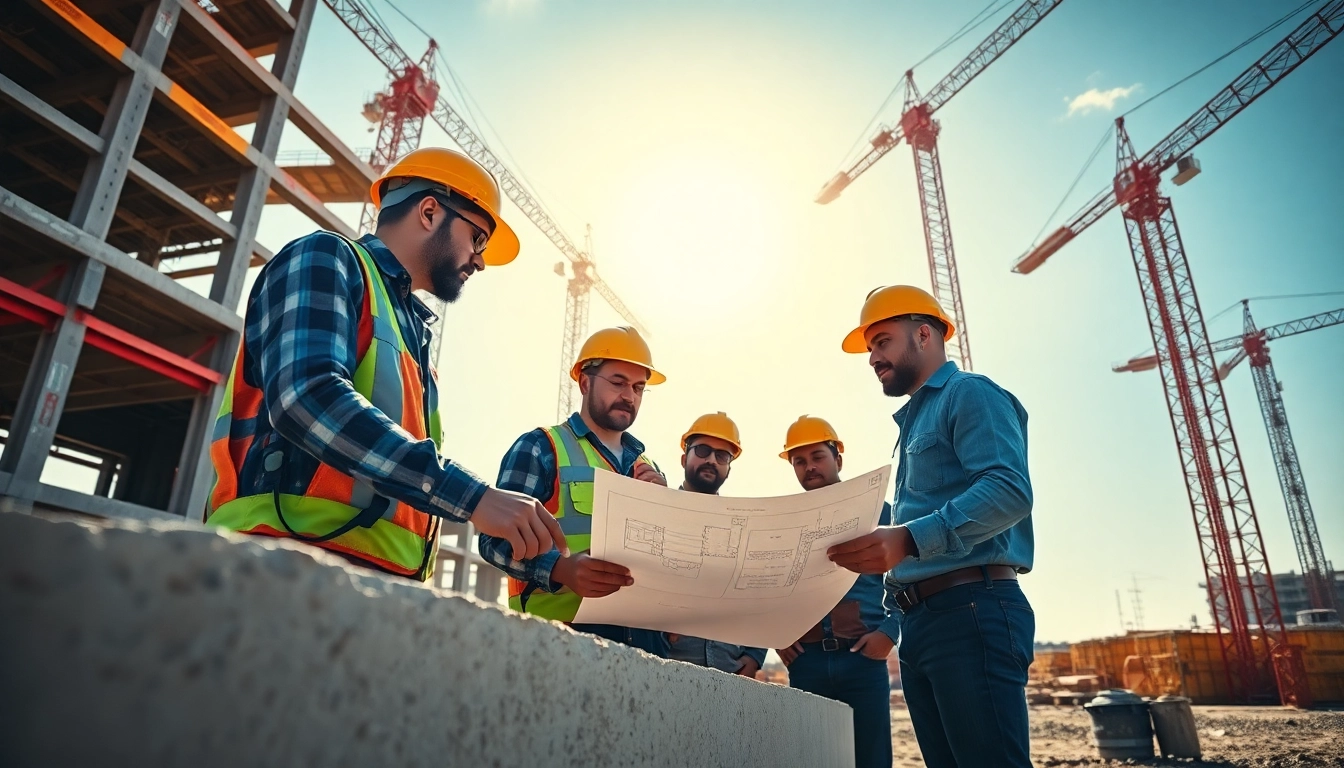
constructionplays a critical role in shaping our environment, from residential buildings to commercial complexes and vast infrastructure projects.
The Role of Construction in Economic Growth
The construction industry fosters economic growth through a ripple effect. For every job created in construction, numerous related jobs arise in sectors such as manufacturing, logistics, and retail. Investment in construction activities enhances real estate values, leading to increased tax revenues for local and state governments. Additionally, infrastructure improvements boost industry efficiency and overall productivity, further solidifying construction's position as a vital economic driver.
Types of Construction Projects
Construction projects can be broadly categorized into several types, each requiring unique approaches and expertise:
- Residential Construction: Involves the building of individual homes or multi-family units, prioritizing design, comfort, and livability.
- Commercial Construction: Encompasses the development of office buildings, shopping centers, and industrial facilities, focusing on functionality and long-term use.
- Infrastructure Construction: Includes large-scale projects such as highways, bridges, and public transportation systems, critical for community connectivity and growth.
- Industrial Construction: Pertains to the construction of factories, plants, and warehouses, often involving specialized technologies and processes.
Trends Reshaping the Construction Landscape
As the world changes, so too does the construction landscape. Key trends include:
- Digital Transformation: The integration of technology solutions enables enhanced project management and collaboration. Tools like Building Information Modeling (BIM) are revolutionizing how projects are designed and executed.
- Sustainable Practices: There is a growing trend towards environmentally-friendly construction methods that promote sustainability and energy efficiency.
- Modular Construction: This innovative technique involves prefabricating building sections off-site, leading to quicker assembly times and reduced waste.
- Smart Building Technologies: Incorporating IoT and smart technologies into buildings provides added operational efficiency and comfort for occupants.
Essential Construction Techniques
Mastering construction techniques is essential to ensure that projects are completed on time, within budget, and to the highest standards. Modern builders must employ an array of methods and materials tailored to each specific project.
Foundational Methods in Construction
Robust foundational methods are essential for the structural integrity of any building. Key techniques include:
- Concrete Foundations: Widely used for their durability, concrete foundations can support heavy loads over the long-term.
- Pile Foundations: Employed in softer soil conditions, this method extends deep into stable soil layers to provide necessary support.
- Slab Foundations: Common in areas with minimal frost movement, slab foundations are cost-effective and straightforward to construct.
Modern Building Materials and Their Applications
The emergence of new building materials has changed the construction process significantly. Several notable materials include:
- Green Materials: Sourced sustainably, these materials reduce environmental impact, such as bamboo and recycled metal.
- High-Performance Concrete: Enhanced with additives, this concrete variant offers greater strength and performance, suitable for various applications.
- Steel and Composite Materials: These materials combine strength with lightweight properties, allowing for designs that are both resilient and innovative.
Sustainable Construction Practices
Sustainability is becoming increasingly important in construction practices. Strategies include:
- Energy Efficient Design: Utilizing orientation, natural light, and insulation to reduce energy consumption.
- Water Conservation Techniques: Implementing rainwater harvesting and greywater recycling systems.
- Waste Management Practices: Focusing on reducing, reusing, and recycling materials during and after construction.
Regulatory Considerations in Construction
Navigating the regulatory landscape is crucial for successful construction projects. Compliance with codes and regulations ensures safety, quality, and legal adherence.
Building Codes and Safety Regulations
Building codes set the minimum standards for construction practices aimed at ensuring safety, health, and welfare. Adherence to these codes is non-negotiable and varies by region. Safety regulations dictate the necessary precautions during construction, minimizing the risk of accidents and injury. Regular training and updates on compliance changes are imperative for all construction personnel.
Permitting Process Overview
Before construction can begin, a series of permits must be obtained. This process typically involves:
- Submissions of project plans for review by local authorities.
- Compliance checks against zoning laws and building codes.
- Public hearings and notifications if necessary, depending on project size and type.
This process can be time-consuming; thus, planning ahead and maintaining open communication with local authorities can streamline approvals.
Impact of Regulations on Construction Budgets
Regulatory compliance directly affects construction budgets. Costs may arise from:
- Permit fees and application costs.
- Additional design modifications to satisfy regulatory standards.
- Potential delays in project timelines, leading to increased labor costs.
Budgeting for these potential impacts from the outset is crucial for successfully managing finances.
Managing Construction Projects Effectively
Successful project management in construction hinges on effective planning, execution, and monitoring. Employing best practices ensures resources are utilized efficiently while minimizing risks.
Project Management Tools and Techniques
Modern project managers benefit from various tools that enhance productivity and communication:
- Project Management Software: Platforms like Primavera and Microsoft Project facilitate scheduling, budgeting, and resource management.
- Real-time Collaboration Tools: Tools such as Slack or Trello keep team members connected and informed regardless of location.
- On-Site Management Apps: These apps streamline on-site operations through checklists and progress tracking, ensuring that projects stay on schedule.
Key Performance Indicators for Construction Projects
Understanding Key Performance Indicators (KPIs) helps project managers assess success and make informed decisions:
- Project Schedule Variance: Measures how closely the project stays to its planned schedule.
- Budget Variance: Evaluates the difference between the planned budget and the actual expenditure.
- Safety Performance: Tracks incidents and accidents on-site, guiding improvements in safety protocols.
Managing Resources and Labor
Efficiently managing resources and labor requires strategic planning and monitoring.
- Resource Allocation: Identify and allocate resources effectively to meet project requirements without overextending budgets.
- Labor Management: Establish clear roles and responsibilities, and ensure ongoing training and support to optimize performance.
- Supplier Relationships: Foster relationships with suppliers and vendors for timely deliveries and quality materials.
Challenges and Solutions in the Construction Sector
The construction sector faces numerous challenges that can impact project outcomes. Addressing these challenges proactively is essential to ensuring project success.
Common Risks in Construction Projects
Identifying risks early can mitigate potential disruptions. Common risks include:
- Labor Shortages: Finding skilled labor can drastically delay timelines.
- Material Supply Chain Issues: Disruptions in supply chains can lead to increased costs and project delays.
- Health and Safety Risks: Accidents on site can halt progress and lead to financial and legal consequences.
Addressing Delays and Cost Overruns
To combat delays and cost overruns, project managers should:
- Implement robust project tracking systems to monitor progress.
- Communicate regularly with stakeholders to adjust timelines and expectations as needed.
- Utilize contingency budgets to accommodate unforeseen circumstances.
Future-Proofing Construction Practices
Future-proofing construction requires adaptability to market trends and consumer needs. Strategies include:
- Investing in technology that enhances efficiency and reduces costs.
- Embracing sustainable practices to meet growing environmental concerns.
- Continuous training for workers to ensure they are equipped with the latest industry skills.
Frequently Asked Questions
What are the main types of construction projects?
The main types include residential, commercial, infrastructure, and industrial construction, each with specific requirements and expertise.
How do building codes affect construction?
Building codes establish minimum safety and quality standards that must be met, ensuring compliance to protect public health and welfare.
Can technology improve construction project management?
Yes, technology facilitates better project management through tools for scheduling, budgeting, and enhancing team communication and collaboration.
What are common risks in construction projects?
Common risks include labor shortages, supply chain disruptions, and health and safety hazards that can impact project timelines and costs.
How can construction projects be made more sustainable?
Implementing energy-efficient designs, using green materials, and employing effective waste management practices contributes to sustainability in construction.