
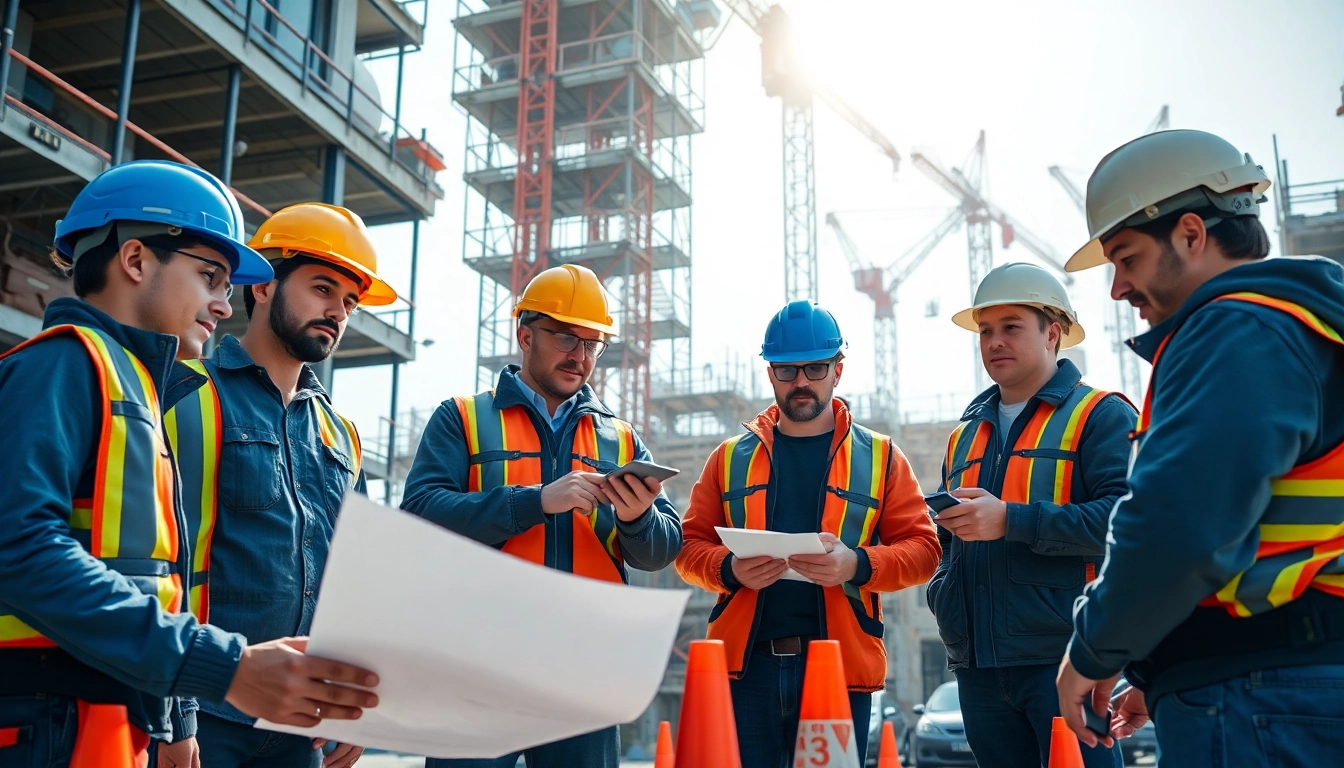
1. Understanding the Basics of Construction
1.1 What is Construction?
Construction is the process of assembling infrastructure, buildings, and other physical structures. It involves various activities including planning, designing, financing, and execution. Typically broken down into residential, commercial, and industrial sectors, construction involves a multitude of stakeholders, from architects and engineers to contractors and laborers. Whether aiming for a small residential project or a large-scale commercial undertaking, understanding the multifaceted nature of construction is crucial. For comprehensive insights on construction projects, one can refer to resources like construction.
1.2 Key Phases of Construction Projects
Construction projects are typically divided into several key phases that ensure their successful execution. The major phases include:
- Initiation: This initial phase involves defining the project scope and viability, securing funding, and obtaining necessary permits.
- Planning: Detailed plans are developed, outlining timelines, resource allocation, and cost estimates.
- Execution: This phase is where construction takes place—actual building and installation work is carried out.
- Monitoring: Throughout the execution phase, monitoring ensures the project stays on track with respect to budget and timeline.
- Closure: Final inspections, project reviews, and official closure are completed here.
1.3 Importance of Planning in Construction
Effective planning is crucial in construction as it lays the groundwork for project success. It ensures that resources are allocated effectively, timelines are adhered to, and stakeholders are aligned. A well-structured plan minimizes unexpected challenges and delays, allowing projects to be completed on time and within budget. Furthermore, planning also encompasses risk assessment and the formulation of mitigation strategies, which are essential to navigate potential setbacks.
2. Essential Tools and Equipment in Construction
2.1 Common Tools Used on Construction Sites
Construction sites require a multitude of tools and equipment to perform various tasks. Some common tools include:
- Hand Tools: Hammers, chisels, and wrenches are necessary for detailed work.
- Power Tools: Drills, saws, and concrete mixers expedite processes and improve precision.
- Heavy Equipment: Cranes, excavators, and bulldozers are essential for large-scale operations.
- Measuring Tools: Tape measures and levels are crucial for ensuring accuracy in construction.
2.2 Safety Equipment Every Worker Needs
Safety on construction sites is paramount. Each worker should be equipped with appropriate safety gear, including:
- Hard Hats: Protects against head injuries from falling objects.
- Safety Goggles: Shields eyes from debris and hazardous materials.
- Hi-Vis Clothing: Ensures visibility in various lighting conditions.
- Gloves: Protects hands from cuts and chemical exposure.
2.3 Innovative Technologies in Construction
Technological advancements have significantly transformed the construction industry. Some noteworthy innovations include:
- Building Information Modeling (BIM): Allows for more efficient planning and real-time modifications.
- 3D Printing: Enables rapid prototyping of parts and even entire structures.
- Drones: Used for site surveys and monitoring progress from above.
- Project Management Software: Improves collaboration, scheduling, and budget tracking.
3. Best Practices for Construction Project Management
3.1 Effective Communication among Team Members
Effective communication is the backbone of construction project management. Ensuring that all team members, stakeholders, and subcontractors are on the same page minimizes errors and boosts productivity. Regular meetings, clear documentation, and the use of communication tools can facilitate seamless information flow.
3.2 Risk Management Strategies in Construction
Identifying and managing risks is vital in construction project management. Common strategies include:
- Comprehensive risk assessment to identify potential issues.
- Establishing contingency plans to address risks that materialize.
- Implementing proactive measures, such as regular safety training and compliance with regulations.
- Maintaining an open line of communication for reporting hazards swiftly.
3.3 Budgeting and Cost Control Techniques
Budgeting serves as a financial blueprint for construction projects. Effective budgeting techniques include:
- Establishing a clear budget from the onset, factoring in all costs.
- Continuous monitoring of expenses and comparing them against the budget.
- Using cost management software to track financial performance in real-time.
- Engaging in regular financial reviews to identify spending patterns and areas for savings.
4. Sustainability Trends in Construction
4.1 Green Building Practices
Green building practices focus on reducing environmental impact and improving occupant health. This includes the use of sustainable materials, energy-efficient systems, and designs that promote natural light and ventilation. Adopting these practices can result in significant long-term savings on operational costs and a reduced carbon footprint.
4.2 Sustainable Materials for Construction
The choice of materials is crucial in sustainable construction. Eco-friendly options include:
- Recycled Materials: Utilizing reclaimed wood, metal, or glass reduces waste.
- Low-VOC Products: Choosing materials that emit fewer volatile organic compounds promotes healthier indoor air quality.
- Biodegradable Materials: Options such as bamboo or cork are renewable and less harmful to the environment.
4.3 The Future of Eco-Friendly Construction
The future of construction is leaning towards more eco-friendly practices, driven by technology and consumer demand. Increased investment in renewable energy sources, sustainable materials, and innovative construction methods will play a pivotal role. Furthermore, government policies and incentives aimed at promoting sustainability will continue to shape the industry landscape.
5. Frequently Asked Questions about Construction
5.1 What are the main stages of construction?
The main stages of construction include initiation, planning, execution, monitoring, and closure.
5.2 How can I ensure worker safety on-site?
Provide proper training, safety equipment, and maintain clear communication to ensure worker safety on-site.
5.3 What role does technology play in modern construction?
Technology enhances efficiency, accuracy, and safety through tools like BIM, drones, and project management software.
5.4 How can I manage a construction budget effectively?
Establish a detailed budget, continuously monitor expenses, and use management software to control costs effectively.
5.5 What are the benefits of sustainable construction?
Sustainable construction offers reduced environmental impact, lower energy costs, and healthier living environments.


